It was a lonely plane ride.
The earthquake and tsunami on March 11, 2011 had knocked out power to a large portion of the northeastern coastline of Japan, including the Fukushima Nuclear Power Plant. Very few people were travelling to the country where concerns of nuclear radiation leaks were high. I was one of the few.
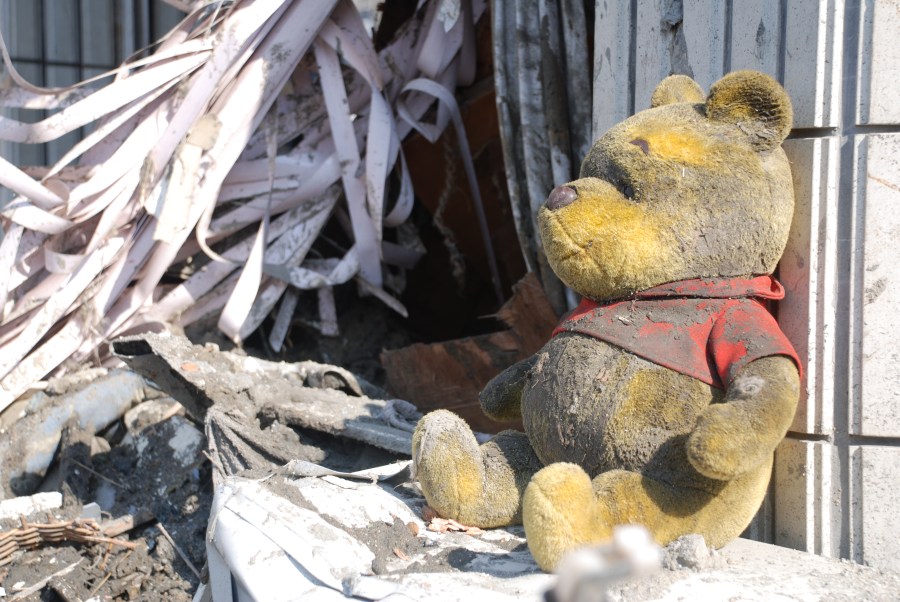
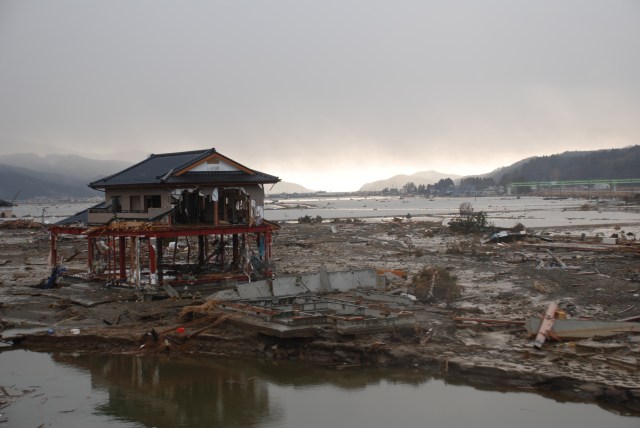
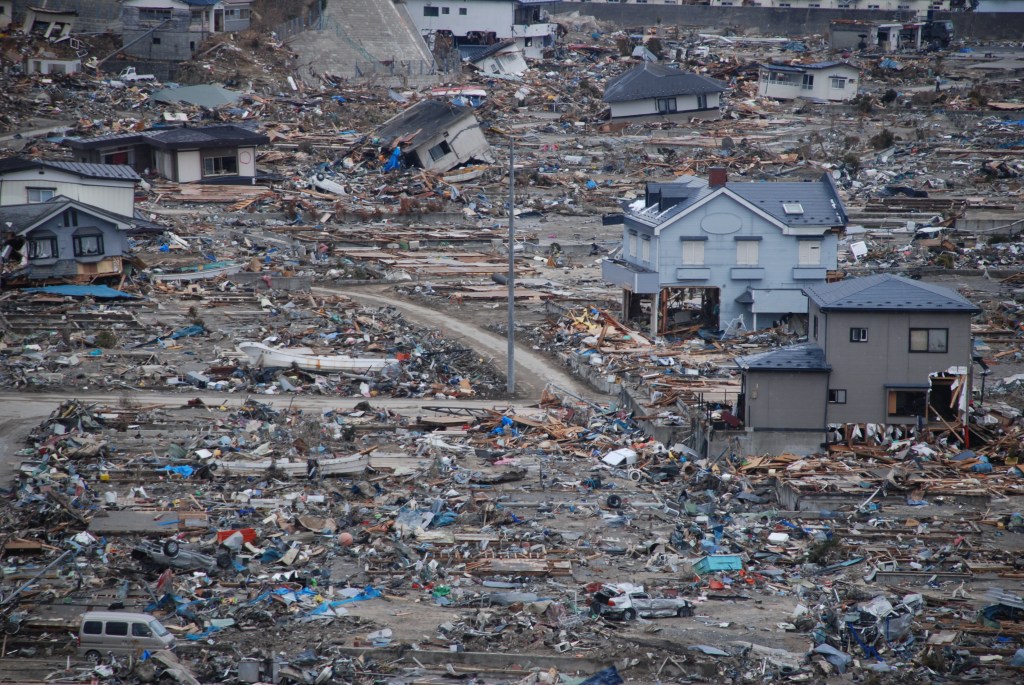
To this day, nothing comes close to the devastation I saw in Japan. I have worked in earthquake, tsunami and flood zones, but this destruction was on a level that was indescribable. I remember driving from town to town and all I could say was “wow”. Words escaped me.
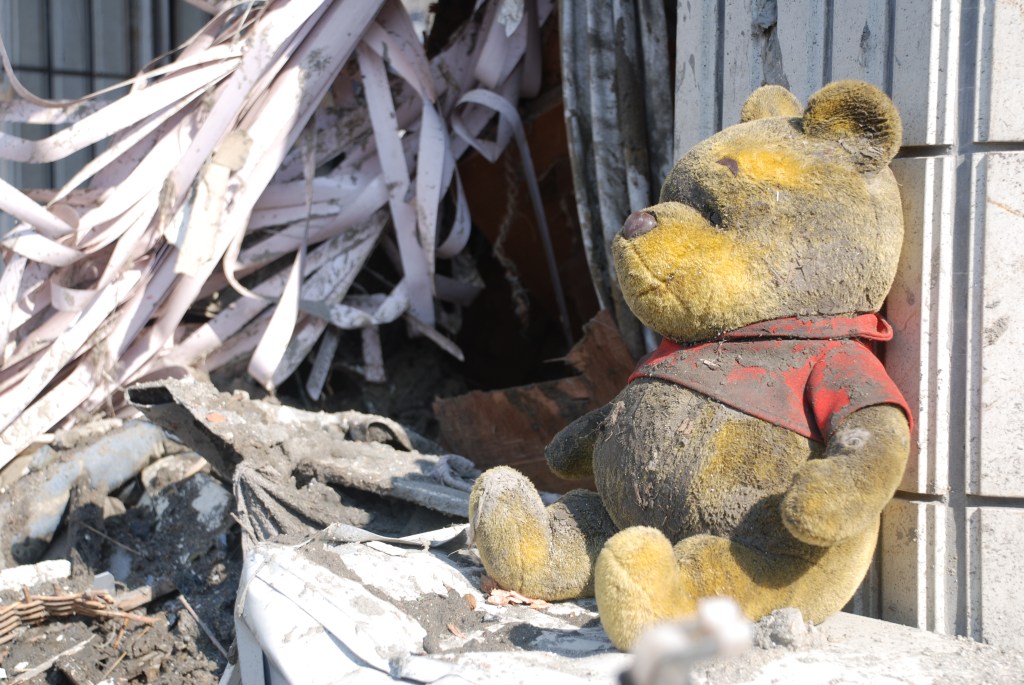
Everywhere I looked houses were flattened, ripped from their foundations, flipped upside down, or burned out. Large fishing boats rode the high waves and were left stranded on top of the debris. Railway tracks were ripped up and twisted; huge, thick concrete retaining walls were snapped into pieces; and the stench from fires lingered in the air long after being extinguished. Metres-high piles of debris lined the sides of the roads, cleared by the Japanese army to allow emergency responders easier access to affected areas. It was organized, very organized, chaos.
Aftershock, after aftershock, after aftershock
I lost count of how many aftershocks I experienced. It was so bizarre being in a tall office building in Tokyo and watching as the buildings across the street literally swayed back and forth. My brain told me they’re built that way to withstand earthquakes, but it was so strange to witness.
One aftershock, in particular, stands out. I was sharing a hotel room with two colleagues. This was far outside of Tokyo in the area impacted by the disaster. We had just gone to sleep when the building started shaking. It lasted for what seemed like an eternity and it was strong. Plaster was crumbling from the walls. The power went out. Emergency lights came on.
I ushered my colleagues into the small, enclosed bathroom to wait it out. A hotel staffer then came and evacuated us to the lobby with other guests. We later found out that aftershock measured 7.6 on the Richter scale. To me, that’s not an aftershock. It’s an earthquake!
Remembering the survivors
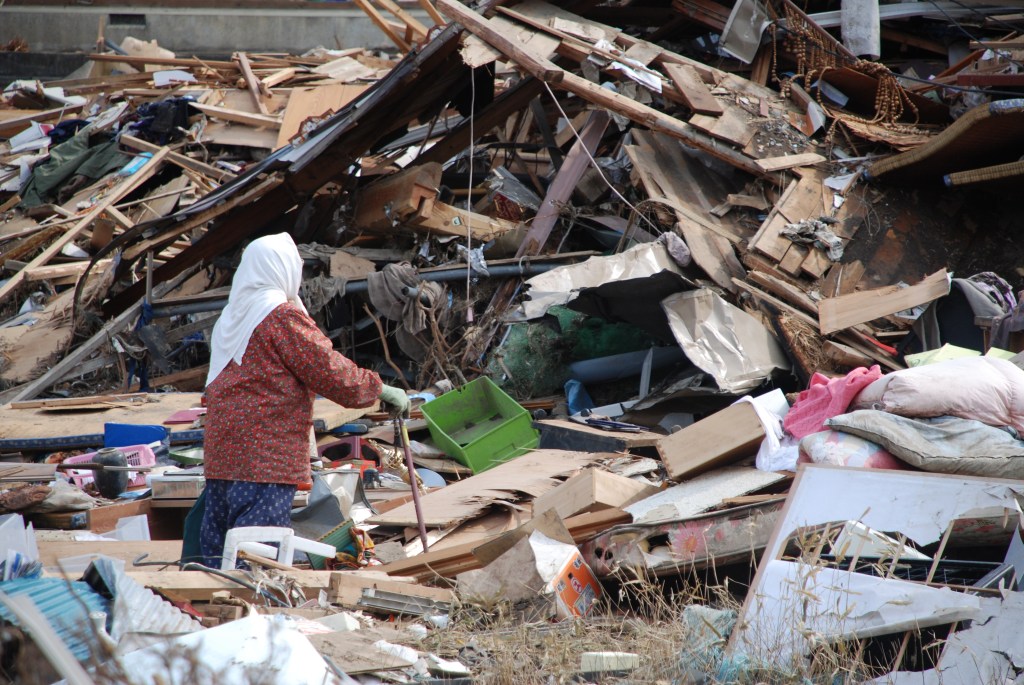
But while I remember the utter destruction, it is the people who continue to hold a corner of my heart.
I remember Yoshii Suzuki who was 73-years-old at the time. He very vividly told me about how the first tsunami wave swept him out to sea and as he struggled to come up for air, how the second wave brought him back and plunked him on top of a house. He was a fisherman who had had some narrow escapes from the ocean over the span of his career. He said this was definitely the scariest.
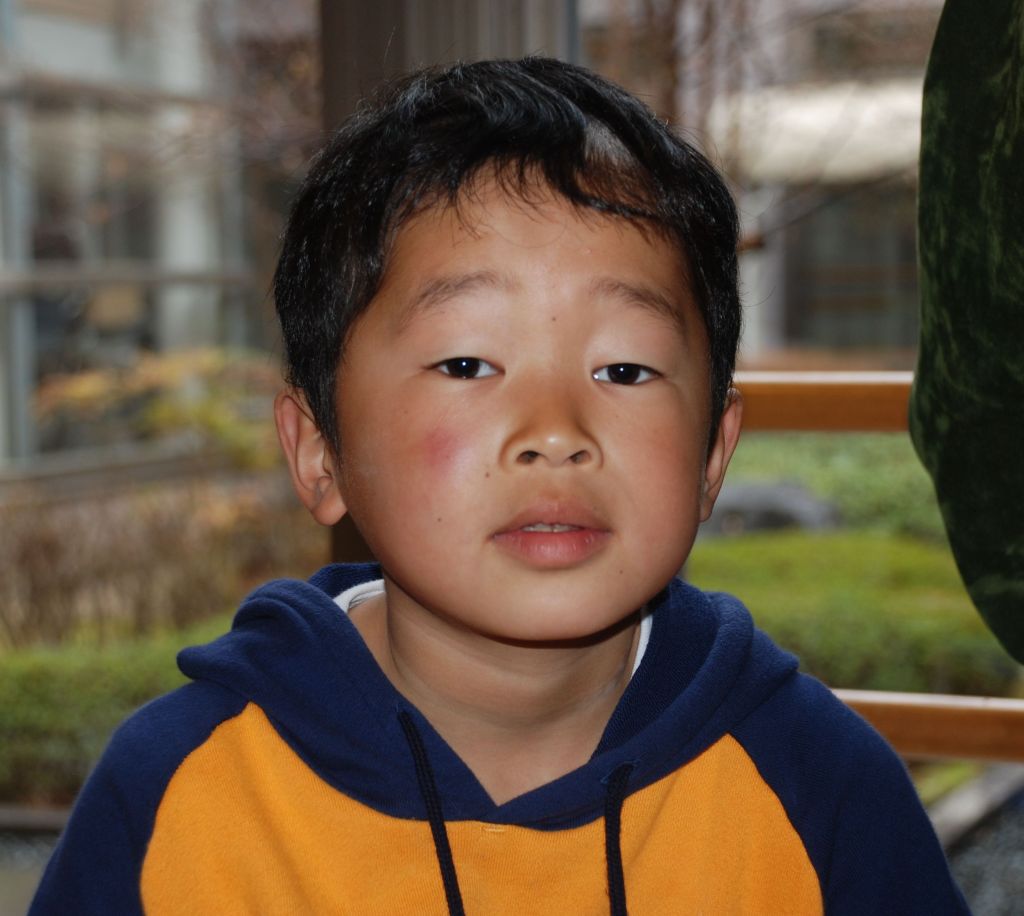
Koya would be 18 now. As a precocious 8-year-old he very seriously told me that he was having trouble sleeping at the evacuation centre he and his family were staying in because of all the old men who were snoring. He wanted to be a master sushi chef or a car racer so he could earn lots of money and buy a new house.
Kimie Yamada was an elementary school teacher in Rikuzentakata who led her students to safety in the higher hills. When she came across an elderly woman who couldn’t walk, Kimie carried her on her back. Kimie and her two young daughters were the first to receive one of the prefabricated houses being built by the government. Ayane, her youngest, said she couldn’t wait for her mother to make her favourite dish – lasagna.
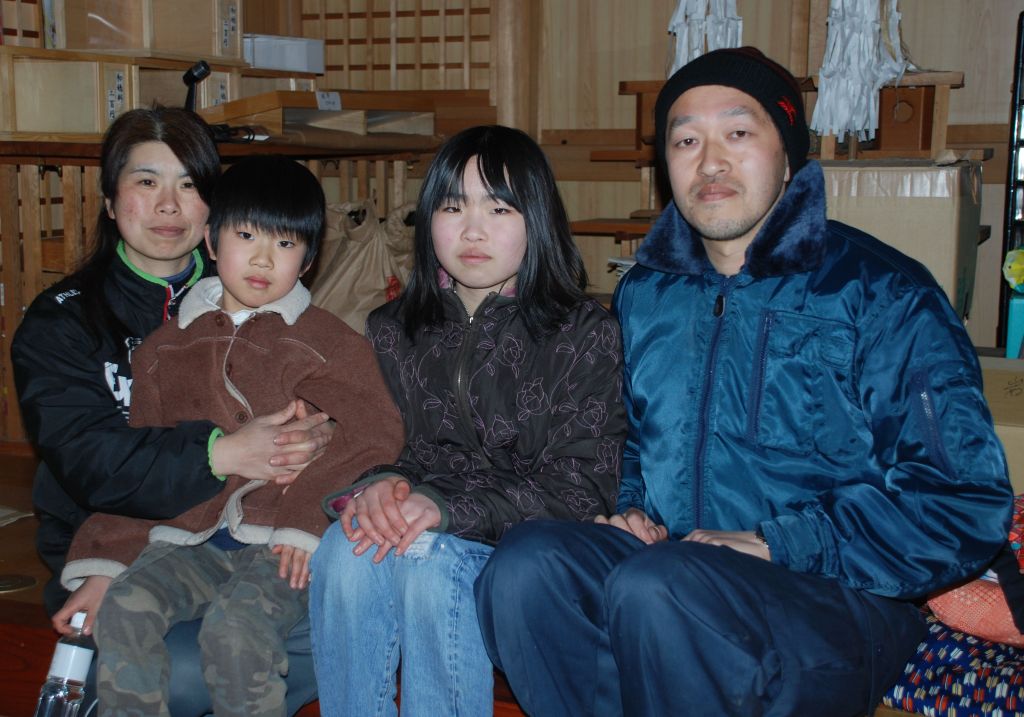
My closest bond, however, was with the Matsuhashi family. When I met them, they were living in a 360-year-old shrine which somehow survived the tsunami when everything around it, including their own home, fell. They were kind and generous and warm and giving. Seven-year-old Masayuki showed me how to make paper airplanes. His 12-year-old sister Mizuki made me an origami crane which I still have. In Japan, the crane symbolizes good fortune and longevity. In many of the evacuation centres I visited, I saw long strands of paper cranes, hung by survivors.
As a humanitarian worker, it’s extremely rare to have the opportunity to revisit people impacted by a major disaster. But I got that opportunity with the Matsuhashi family. One year after the tsunami, I was invited back to Japan and immediately asked if I could visit the Matsuhashis. I remember the reunion as if it was yesterday. They were living in prefabricated housing. Satomi and her children came around one corner; I came around another. We immediately started running towards one another with arms outstretched, ready for a warm hug. They invited me in, and we shared stories over tea.
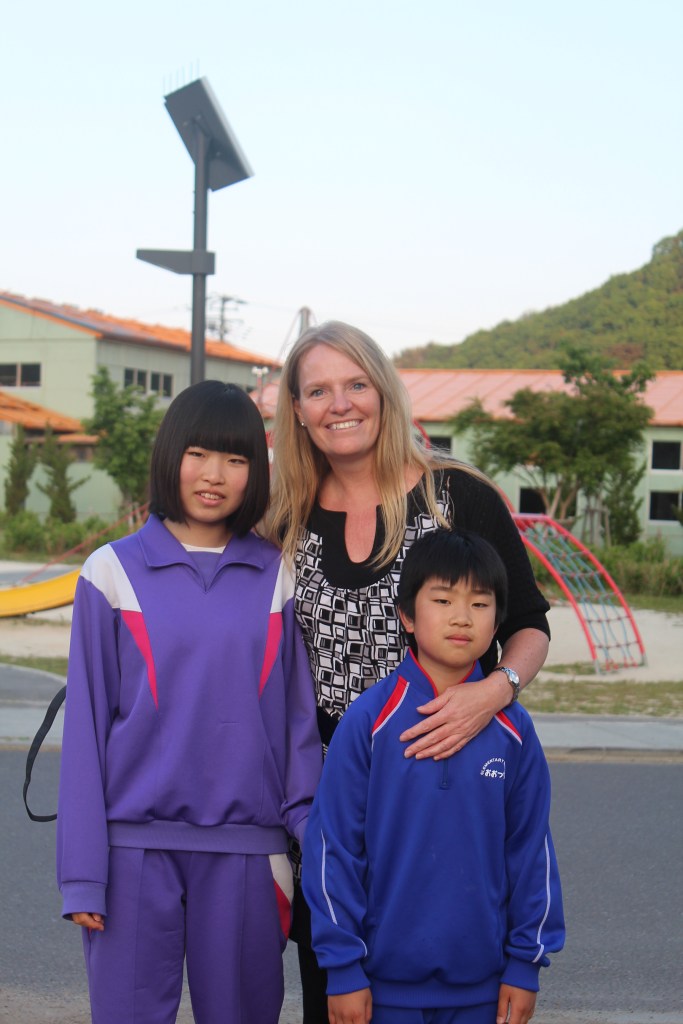
The connection doesn’t end there. I’ve received updates over the years and have learned that Mizuki, who is now 22, decided to become a nurse after seeing the support provided by Red Cross nurses after the tsunami. She recently had her final exams and is hoping to soon begin her nursing career in a town near Otsuchi, not far from home in Iwate Prefecture. In a recent e-mail she mentions how her parents have built a new home and that the town is bustling with activity.
For me, this is what it’s all about. Forming bonds and connections, even if just for a moment in time.
I was in Japan for three weeks. I met many strong, gracious, resilient people. People who were understandably hurting. But people who were confident they would rebound and rebuild. As I was leaving, I remember hearing the sounds of babies crying, and children laughing and playing. The cherry blossom trees were beginning to bloom. The paper cranes were flying. All signs that there was life and hope for the future.


Amazing, Kathy. Thank you for sharing your memories. I’m curious, do you speak Japanese, or did you have a translator wth you?
LikeLiked by 1 person
Thanks Leslee. No, aside from a couple of words I don’t speak Japanese. Whatever country I am in, I always work closely with my local colleagues. They always accompany me when I head into the “field” as we say.
LikeLike