He motioned for me to lean against his wiry frame, as he took my shoeless foot and cleansed it with river water. Flooding had encased his village and much of his homeland in water and mud. I took a wrong step and ended up knee-deep in that mud. When I pulled myself out of the muck, my shoe remained behind.
I was not supposed to be touching him. That was the thought that kept running through my mind as I followed his instructions. It was the mantra that had been drilled into me before I departed for this strongly patriarchal country.
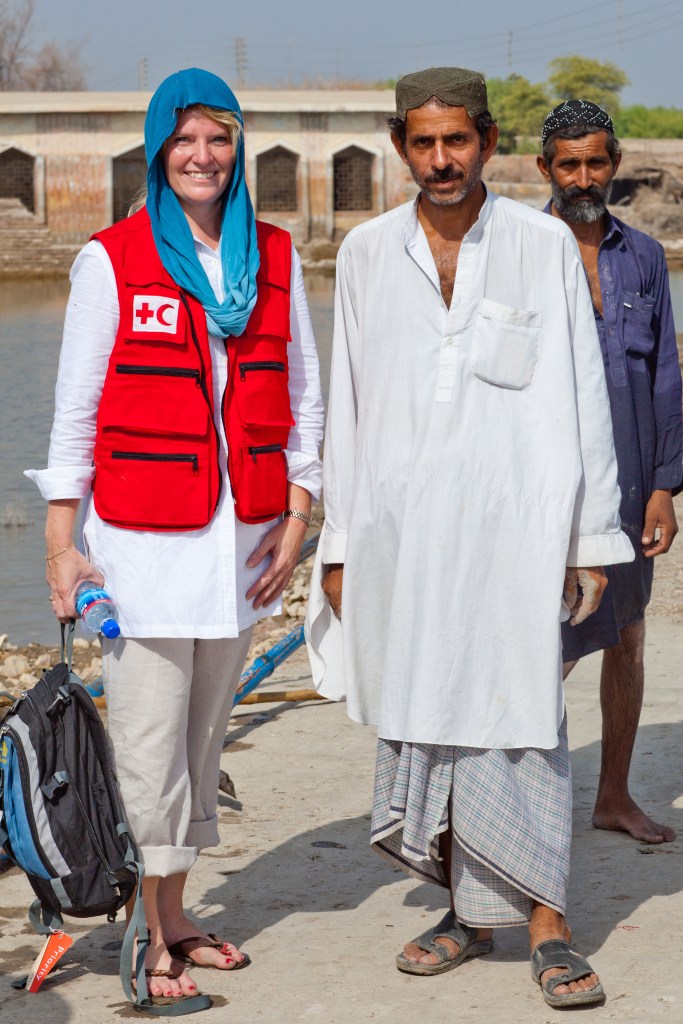
I was in Pakistan for work and lived in this vibrant, colourful, diverse nation for one year. It was a time of terrorists, suicide bombings, and drone attacks. People questioned my decision to go.
My job has afforded me the opportunity to get off the beaten, touristy path and into remote, rural settlements in many Asian and African countries. Villages so small that in some cases the inhabitants have never seen a white, blonde haired, blue-eyed woman.
It’s something I also strive to do in my personal travel; get away from the tourist traps, at least a little bit, and try to absorb as much of the local culture as possible. I’m reminded of one excursion in Cuba. We hired a local horse and buggy driver and headed off, leaving the cozy confines of our all-inclusive resort behind for the day. We visited the elementary school in his village and fished with the locals before enjoying a home-made meal at our driver’s modest casa.
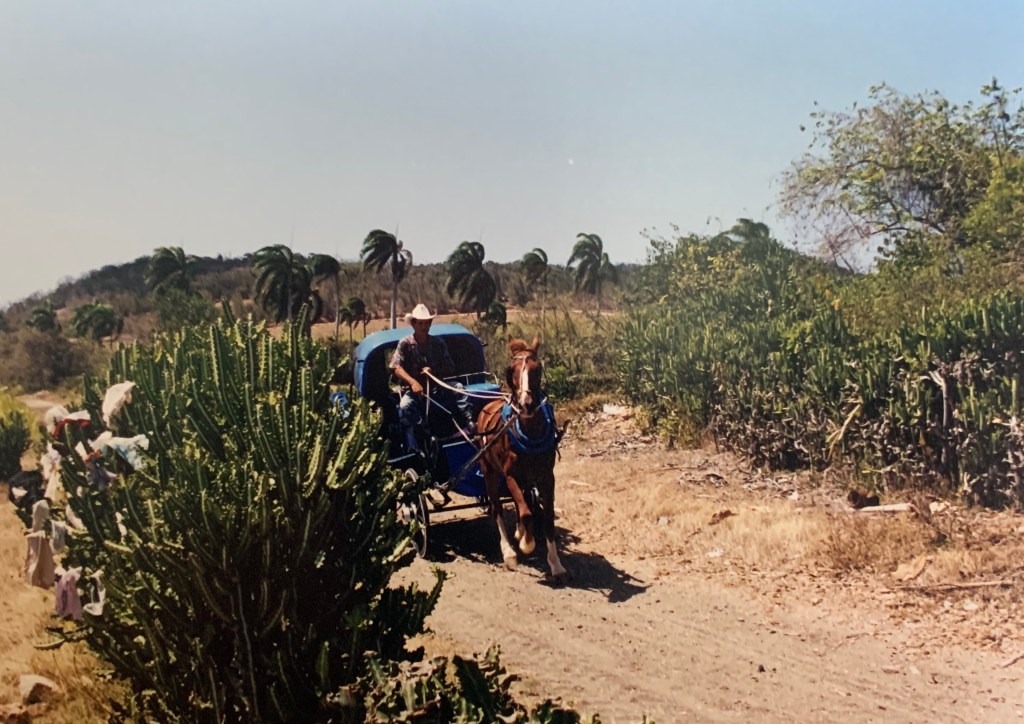
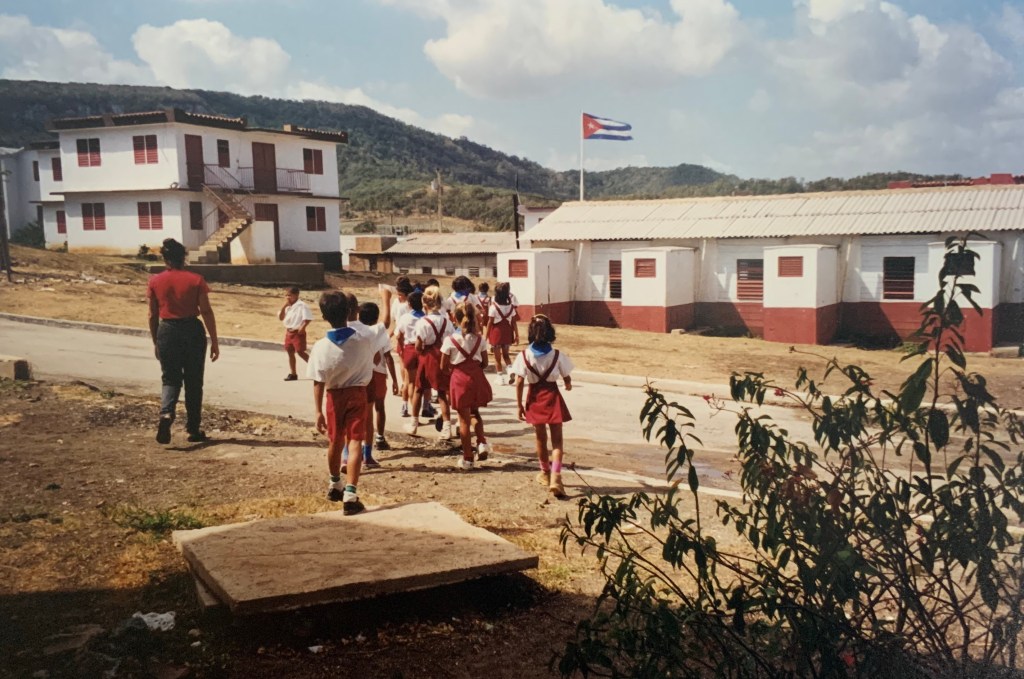
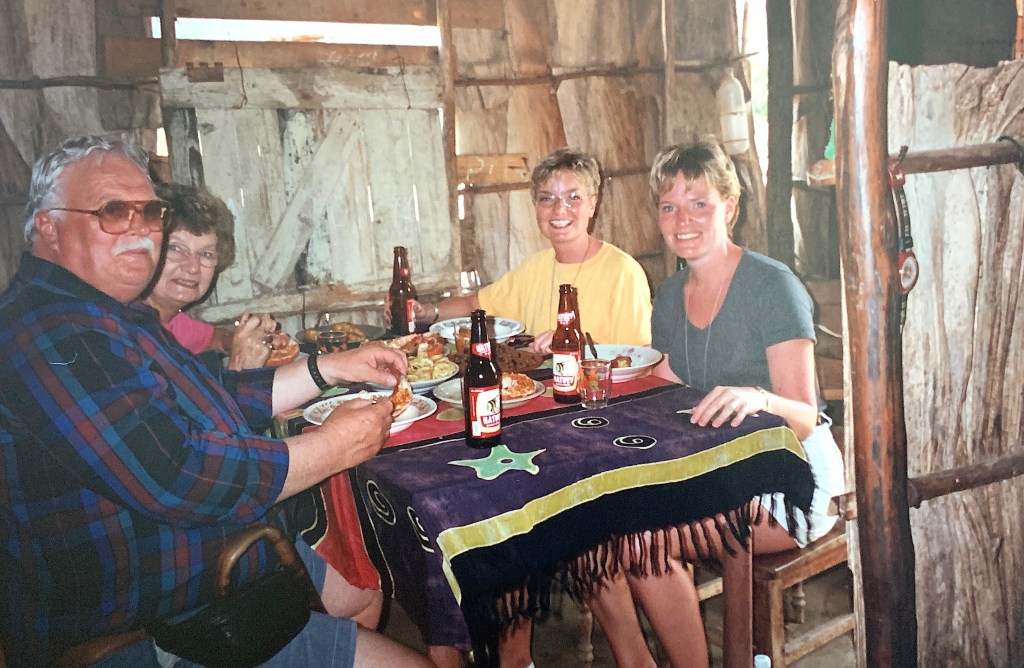
The more I travel and immerse myself in the local culture, the more I realize that people are basically the same regardless of where they hang their hat. Parents in Canada want the same things as Mumtaz who came to my rescue in the mud or Jose, our buggy driver in Cuba: a home, food, education for their kids, access to health care. The basics.
Education First believes that “the world is better when people try to understand one another”.
For almost 60 years, they’ve been offering educational travel programs that challenge biases and foster empathy.
Using evidence-based science, they suggest that travel makes us all better people by:
- encouraging empathy,
- deepening understanding while challenging assumptions and stereotypes,
- increasing self-awareness, and
- building trust.
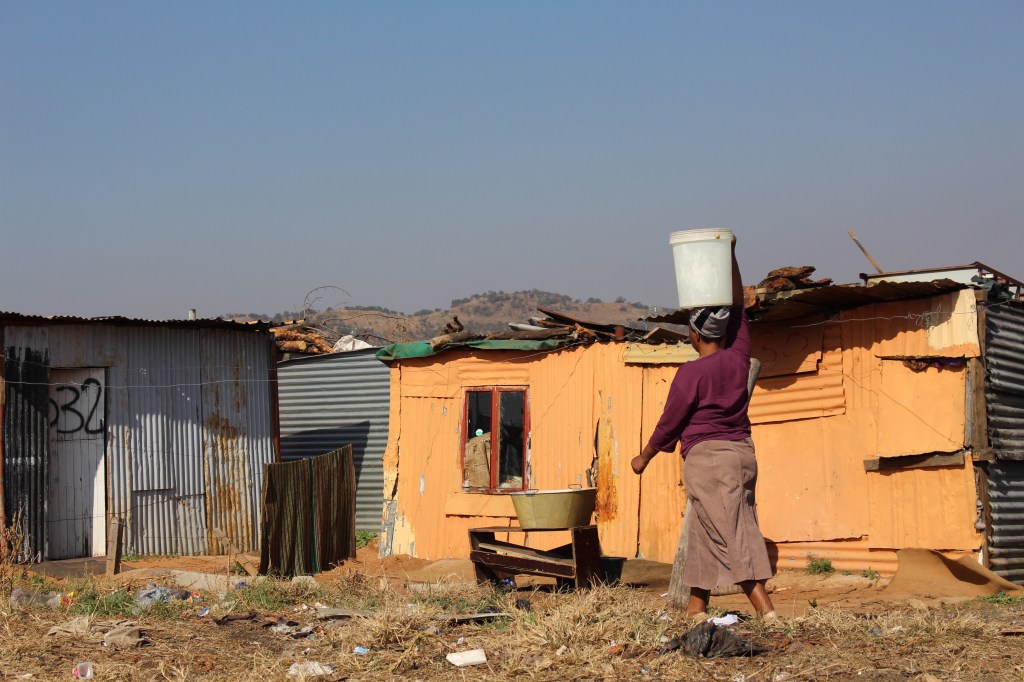
Founder of World Citizen Artists, Valerie Forgeard concurs, suggesting on Brilliantio that being immersed in another culture helps generate respect for diversity. It goes deeper than what can be gained from the pages of a travel magazine or the internet. Forgeard includes some ideas on how to become a more culturally conscious traveller, including:
- Learning about a culture, etiquette, and taboos before packing your bags and catching that flight.
- Talking to locals, not just about directions or restaurant recommendations, but about things that really matter to them.
- Buying locally made souvenirs to support sustainable tourism.
There are others who would argue that excursions like my little foray off the resort grounds in Cuba only build surface-level empathy. In National Geographic, Ruth Terry writes about how oppressive the tourism industry is to Black, indigenous, and people of colour around the world. Admittedly, it’s a big topic that won’t be fully addressed or resolved in one article.
But at a time when the world seems so polarized, I think that any small step we can take to help break down barriers is a step worth taking, even if that step leaves your foot covered in mud.
 Kats Clicks